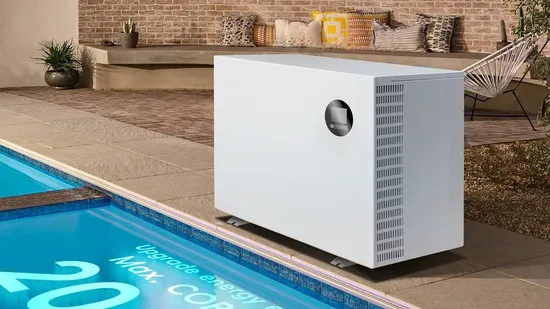
Modern homeowners are increasingly searching for sustainable and energy-efficient solutions to reduce electricity consumption and lower environmental impact. Among the most effective innovations in home heating technology, residential heat pumps have become a preferred option for eco-friendly water heating. These systems offer impressive energy savings, reduced carbon emissions, and reliable performance for households aiming to adopt greener living practices.
As energy costs continue to rise and environmental awareness grows, residential heat pumps are no longer considered luxury appliances. They are now becoming essential components of modern homes that prioritize efficiency, comfort, and sustainability. Their ability to transfer heat instead of generating it directly makes them significantly more efficient than conventional water heating systems.
Understanding How Residential Heat Pumps Work
Residential heat pumps operate by extracting heat from the surrounding air, ground, or water and transferring it into the home’s water heating system. Unlike traditional electric heaters that generate heat through electrical resistance, these systems move existing heat, which requires far less energy.
The technology behind residential heat pumps is similar to the operation of refrigerators or air conditioners, but in reverse. Instead of removing heat from inside a space, they capture heat from the environment and use it to warm water efficiently.
This process makes residential heat pumps highly energy-efficient because they can produce several units of heat energy for every unit of electricity consumed. As a result, homeowners can enjoy reliable hot water while significantly reducing energy expenses.
Energy Efficiency and Lower Utility Bills
One of the primary reasons residential heat pumps are becoming essential for eco-friendly water heating is their outstanding energy efficiency. Traditional water heaters consume large amounts of electricity or gas to create heat directly, leading to higher monthly utility bills.
Residential heat pumps use advanced heat transfer technology, allowing them to operate with much lower energy consumption. Many homeowners experience substantial reductions in electricity usage after switching to these systems.
Lower energy demand not only saves money but also reduces strain on power grids, especially during peak usage periods. This contributes to a more sustainable energy ecosystem and supports global efforts to conserve resources.
The long-term financial savings associated with residential heat pumps make them a practical investment for households seeking both environmental and economic benefits.
Reducing Carbon Footprints Through Sustainable Heating
Environmental sustainability is one of the strongest advantages of residential heat pumps. Conventional water heating systems powered by fossil fuels contribute significantly to greenhouse gas emissions. In contrast, heat pump technology uses renewable heat from the environment, dramatically reducing carbon output.
As governments and environmental organizations encourage cleaner energy solutions, residential heat pumps align perfectly with eco-friendly goals. Homes equipped with these systems produce fewer emissions and help combat climate change.
For environmentally conscious homeowners, switching to residential heat pumps is a meaningful step toward reducing their household carbon footprint. The reduced dependency on fossil fuels also supports cleaner air quality and healthier communities.
Increased Demand for Green Home Technologies
The popularity of sustainable housing solutions has accelerated the adoption of residential heat pumps across many regions. Buyers and homeowners now value properties equipped with energy-efficient technologies because they offer long-term savings and environmental benefits.
Green building certifications and energy efficiency standards increasingly recognize residential heat pumps as essential components of sustainable homes. Their inclusion can improve property value and make homes more attractive in competitive real estate markets.
As awareness of climate issues continues to grow, more households are embracing environmentally responsible technologies. Residential heat pumps fit naturally into this movement because they combine practicality, comfort, and sustainability.
Superior Performance in Modern Homes
Modern residential heat pumps are designed with advanced technology that ensures consistent and reliable water heating performance. Many systems include smart controls, variable-speed compressors, and energy monitoring features that optimize operation based on household needs.
Unlike older heating systems that may waste energy through constant operation, residential heat pumps intelligently adjust performance levels to maximize efficiency. This helps maintain a steady supply of hot water without excessive energy consumption.
Manufacturers continue to improve the durability and effectiveness of residential heat pumps, making them suitable for various climates and household sizes. Innovations in compressor technology and insulation have enhanced their reliability even in colder environments.
These improvements have helped eliminate many misconceptions about heat pump limitations, making them a dependable option for year-round water heating.
Supporting Renewable Energy Integration
Another major reason residential heat pumps are becoming essential is their compatibility with renewable energy systems such as solar power. Homes equipped with solar panels can use clean electricity to operate heat pumps, creating an even more sustainable water heating solution.
This combination significantly reduces household reliance on nonrenewable energy sources. By integrating renewable electricity with residential heat pumps, homeowners can achieve exceptional energy efficiency and lower overall emissions.
As renewable energy adoption expands globally, residential heat pumps are expected to play a critical role in supporting cleaner residential infrastructure.
Government Incentives and Energy Policies
Many governments worldwide are encouraging the adoption of energy-efficient technologies through rebates, tax credits, and financial incentives. Residential heat pumps often qualify for these programs because they contribute to reduced energy consumption and environmental sustainability.
These incentives help lower installation costs and make eco-friendly water heating systems more accessible to homeowners. Energy efficiency regulations are also becoming stricter, increasing demand for systems that comply with modern sustainability standards.
The growing support from policymakers demonstrates the importance of residential heat pumps in achieving national energy conservation and climate goals.
Long-Term Durability and Low Maintenance
Residential heat pumps are known for their long operational lifespan and relatively low maintenance requirements. Compared to traditional water heaters that may require frequent repairs or replacements, heat pumps often provide reliable service for many years.
Routine maintenance usually involves cleaning filters, checking refrigerant levels, and ensuring proper airflow. With proper care, residential heat pumps can maintain high performance while minimizing maintenance expenses.
The durability of these systems adds to their value as a long-term investment for homeowners focused on sustainability and cost efficiency.
Improving Indoor Comfort and Home Efficiency
In addition to heating water efficiently, some residential heat pumps contribute to improved indoor climate control. Certain systems can help manage humidity levels and enhance overall home comfort.
By reducing excess heat generation associated with conventional water heaters, residential heat pumps can create a more balanced indoor environment. This added efficiency supports broader home energy management strategies.
As smart homes and energy-efficient technologies become more common, residential heat pumps are increasingly integrated into comprehensive home automation systems for optimized performance.
The Future of Eco-Friendly Water Heating
The future of residential water heating is closely connected to sustainability, energy efficiency, and renewable technology integration. Residential heat pumps represent one of the most practical and effective solutions for achieving these goals.
As technology continues to advance, these systems are expected to become even more efficient, affordable, and widely available. Increased public awareness and government support will likely accelerate adoption rates across residential markets worldwide.
Homeowners seeking environmentally responsible solutions are recognizing that residential heat pumps offer a powerful combination of lower costs, reliable performance, and reduced environmental impact.
Conclusion
Residential heat pumps are rapidly becoming essential for eco-friendly water heating because they provide exceptional energy efficiency, lower utility bills, and reduced carbon emissions. Their ability to utilize renewable environmental heat makes them far more sustainable than conventional water heating systems.
With increasing demand for green home technologies, supportive government incentives, and advancements in heating technology, residential heat pumps are transforming how households manage energy consumption. Their long-term durability and compatibility with renewable energy systems further strengthen their role in sustainable living.
As more homeowners prioritize environmental responsibility and energy savings, residential heat pumps will continue to lead the transition toward cleaner, smarter, and more efficient residential water heating solutions.