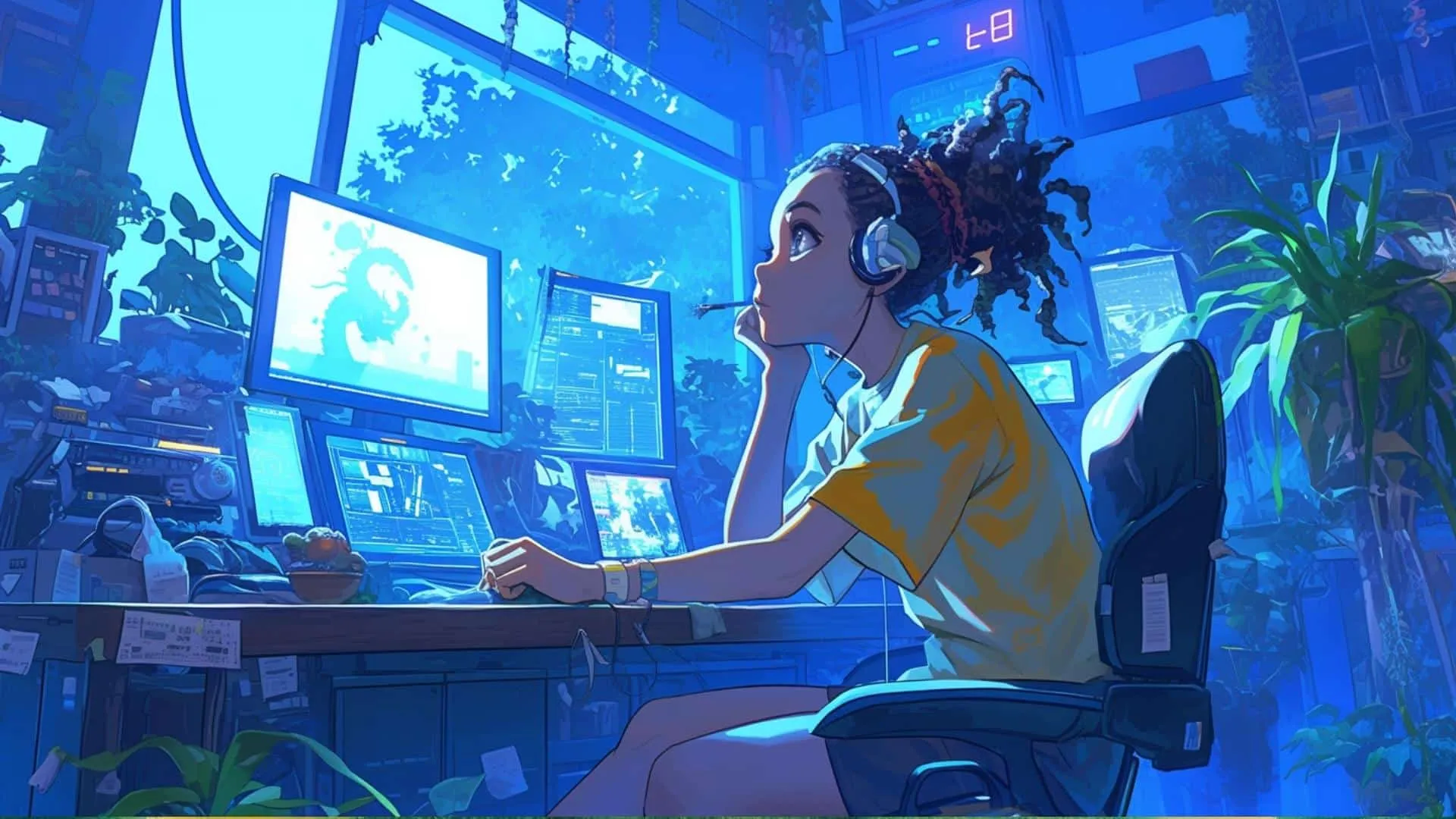
Experimental video has always been a space where creators can break conventional rules, explore unusual ideas, and transform abstract thoughts into visual experiences. Today, artificial intelligence is adding an exciting new dimension to this creative process. Among the emerging tools available to filmmakers, designers, artists, and independent creators, Luma dream machine offers a flexible approach to turning written concepts and visual ideas into dynamic video content. Instead of requiring extensive equipment, large production teams, or advanced animation skills, AI-assisted video creation can help creators experiment more quickly and explore concepts that might otherwise remain only ideas.
Discovering a New Approach to Visual Storytelling
Traditional video production often requires careful planning, cameras, locations, actors, lighting, editing equipment, and significant time. These requirements can make experimental projects difficult to produce, particularly for individual artists or small creative teams. Luma dream machine introduces another approach by allowing creators to begin with a concept and develop it into moving imagery.
This can be especially useful for projects that are difficult to film in the physical world. A creator might imagine a floating city above an endless ocean, a surreal forest filled with glowing objects, or a futuristic character walking through a constantly changing landscape. Instead of building these environments physically, creators can use AI-generated video as a starting point for visual exploration.
The process encourages experimentation because creators can test different ideas without committing extensive resources to every version. A concept can evolve through repeated attempts, allowing unexpected visual results to become part of the artistic process.
Turning Imagination Into Motion
One of the most interesting aspects of AI video generation is its ability to interpret descriptive prompts and translate them into visual sequences. This gives creators a new way to communicate ideas that may be difficult to explain through traditional production methods.
For example, an artist developing an abstract short film could describe a character moving through a dreamlike landscape where buildings dissolve into clouds and streets transform into rivers. Rather than creating every visual element manually, the creator can use generated sequences to investigate how such an idea might look in motion.
This does not mean that the technology replaces creativity. The strongest results still depend on the creator’s imagination, storytelling decisions, visual references, and willingness to refine ideas. AI becomes a creative partner that helps transform concepts into experimental material.
Exploring Surreal and Unconventional Concepts
Experimental filmmaking often succeeds by challenging familiar expectations. Surrealism, fantasy, science fiction, abstract animation, and conceptual art all provide opportunities for creators to move beyond realistic environments.
Luma dream machine can be particularly useful in these areas because AI-generated video allows creators to explore unusual combinations of subjects, settings, movement, and atmosphere. A filmmaker could experiment with a miniature world inside a glass object, an enormous sculpture walking through a city, or an ordinary room gradually transforming into an alien environment.
These concepts can provide inspiration even when the generated result is not exactly what the creator originally imagined. Unexpected movements, compositions, or visual interpretations may reveal new creative directions. In experimental work, these surprises can become valuable rather than unwanted.
Building Short Visual Experiments
Creators do not always need to begin with a complete film. Short experiments can be an effective way to understand AI-assisted video creation. A five-second or short sequence can function as a visual sketch, similar to a rough drawing before a finished painting.
An artist might create several versions of the same concept using different descriptions, camera perspectives, environments, or moods. Comparing these variations can reveal which visual language best represents the intended idea.
These short experiments can eventually become parts of larger projects. Individual clips may be edited together into music videos, art films, promotional sequences, digital installations, concept presentations, or social media content. The ability to generate and test small ideas makes the creative process more flexible.
Combining AI Video With Traditional Techniques
AI-generated footage does not have to exist independently from traditional filmmaking. Creators can combine generated sequences with live-action footage, photography, animation, motion graphics, sound design, and conventional editing.
For instance, a filmmaker might record real footage of a person walking through a familiar location and then introduce AI-generated sequences showing how that environment changes inside the character’s imagination. This combination can create a visual contrast between reality and fantasy.
Editors can also use AI-generated clips as transitional elements, background environments, visual effects, or conceptual inserts. This approach allows creators to maintain control over the overall project while using artificial intelligence for specific creative challenges.
Developing Unique Visual Languages
Every experimental artist eventually develops a recognizable visual style. AI tools can support this process by allowing creators to test different aesthetic directions quickly.
Creators can experiment with cinematic compositions, dreamlike environments, futuristic settings, surreal transformations, dramatic camera movements, and unusual combinations of light and texture. Through repeated exploration, they can identify recurring elements that fit their artistic identity.
However, originality should come from creative intention rather than simply accepting the first generated result. The more carefully a creator develops prompts, selects outputs, edits sequences, and combines visual elements, the more distinctive the final work can become.
Using AI for Concept Development
Sometimes the biggest challenge in a creative project is not production but visualization. An artist may have a strong idea but struggle to determine how it should appear on screen. AI-generated video can help bridge that gap.
Creators can use experimental sequences as visual references before beginning a larger production. A filmmaker might generate several versions of a scene to understand possible compositions. A designer could explore how a futuristic product environment might feel. A music artist could test visual concepts for an upcoming video.
This makes AI useful during the planning stage as well as the final production process. It can function as a visual brainstorming tool that helps creators move from vague ideas toward clearer creative decisions.
Encouraging Creative Risk-Taking
One major advantage of accessible AI video tools is that they can lower the cost of experimentation. When producing a conventional video requires considerable time and resources, creators may avoid risky ideas because failure can be expensive.
AI-assisted workflows make it easier to test concepts that might otherwise seem impractical. Creators can explore strange narratives, unusual visual combinations, and unconventional artistic approaches without building an entire production around every experiment.
This encourages a mindset of curiosity. Instead of asking whether an idea is immediately practical, creators can first ask what it might look like and where it could lead.
The Role of Human Creativity
Despite advances in artificial intelligence, human creativity remains central to meaningful experimental video. Technology can generate images and motion, but creators provide the purpose, context, emotion, narrative, and artistic perspective.
A compelling project is more than a collection of visually impressive clips. It needs an idea that connects the visuals and gives the audience a reason to engage. Editing, pacing, sound, storytelling, and creative direction all influence how viewers experience the final work.
Luma dream machine can therefore be viewed as a creative instrument rather than an automatic replacement for artistic decision-making. The creator remains responsible for deciding what deserves attention, what should be changed, and how separate elements should work together.
The Future of Imaginative Video Projects
AI-assisted video creation is opening new possibilities for artists who want to experiment beyond conventional production methods. As these technologies continue to develop, creators may find even more ways to combine generated visuals with filmmaking, animation, interactive media, and digital art.
The most exciting possibilities may come from creators who treat AI as a tool for discovery rather than simply a shortcut. By testing ideas, embracing unexpected results, and combining generated material with personal creative direction, artists can develop projects that feel imaginative and distinctive.
For experimental filmmakers and visual artists, Luma dream machine represents an opportunity to explore ideas that once existed only in sketches, descriptions, or imagination. Its greatest value may not be producing a finished video instantly, but helping creators discover new visual possibilities and encouraging them to ask what their ideas could become when imagination and technology work together.