In today’s fast-paced digital era, visual communication plays a pivotal role in capturing attention, conveying information, and creating immersive brand experiences. Whether you are upgrading a corporate boardroom, orchestrating a high-profile live event, or transforming a retail storefront, an Indoor LED Screen has become the ultimate medium for dynamic engagement. Unlike traditional projectors or static displays, modern LED technology offers unmatched brightness, vibrant color reproduction, and seamless scalability. However, choosing the right Indoor LED Screen is not a one-size-fits-all endeavor. With various pixel pitches, refresh rates, and cabinet configurations available on the market, making an informed decision requires a thorough understanding of your specific environment and technical needs. This comprehensive guide will walk you through everything you need to know to select the ideal Indoor LED Screen for offices, events, and retail spaces.
Understanding the Basics of an Indoor LED Screen
Before diving into specific use cases, it is essential to understand what sets an Indoor LED Screen apart. Unlike outdoor displays that require extreme weatherproofing and ultra-high brightness to combat direct sunlight, indoor screens focus heavily on visual clarity, fine detail, and close-up viewing comfort.
Pixel Pitch and Viewing Distance
The most critical factor when selecting an Indoor LED Screen is the pixel pitch—the distance from the center of one pixel to the center of the adjacent pixel, typically measured in millimeters (e.g., P1.2, P2.5).
- Fine Pixel Pitch (P1.0 to P2.0): Ideal for control rooms, executive boardrooms, and luxury retail where viewers stand very close to the screen.
- Mid-Range Pixel Pitch (P2.5 to P4.0): Perfect for general office spaces, mid-sized event stages, and standard retail displays where the audience is a few meters away.
Refresh Rate and Contrast Ratio
A high refresh rate ensures that the Indoor LED Screen flickers significantly less, which is especially important if the display will be captured on camera during corporate webinars, virtual conferences, or live-streamed events. Additionally, a strong contrast ratio guarantees deep blacks and vivid colors, ensuring that your content pops even in brightly lit indoor environments.
Tailoring Your Display for Specific Environments
Different environments demand unique specifications. Let us explore how to choose and optimize an Indoor LED Screen across three distinct sectors: offices, events, and retail spaces.
Transforming Modern Office Spaces
In the corporate world, communication efficiency drives productivity. Installing an Indoor LED Screen in a corporate office serves multiple purposes, from daily internal briefings and hybrid meetings to impressive presentations in the lobby.
Boardrooms and Conference Rooms
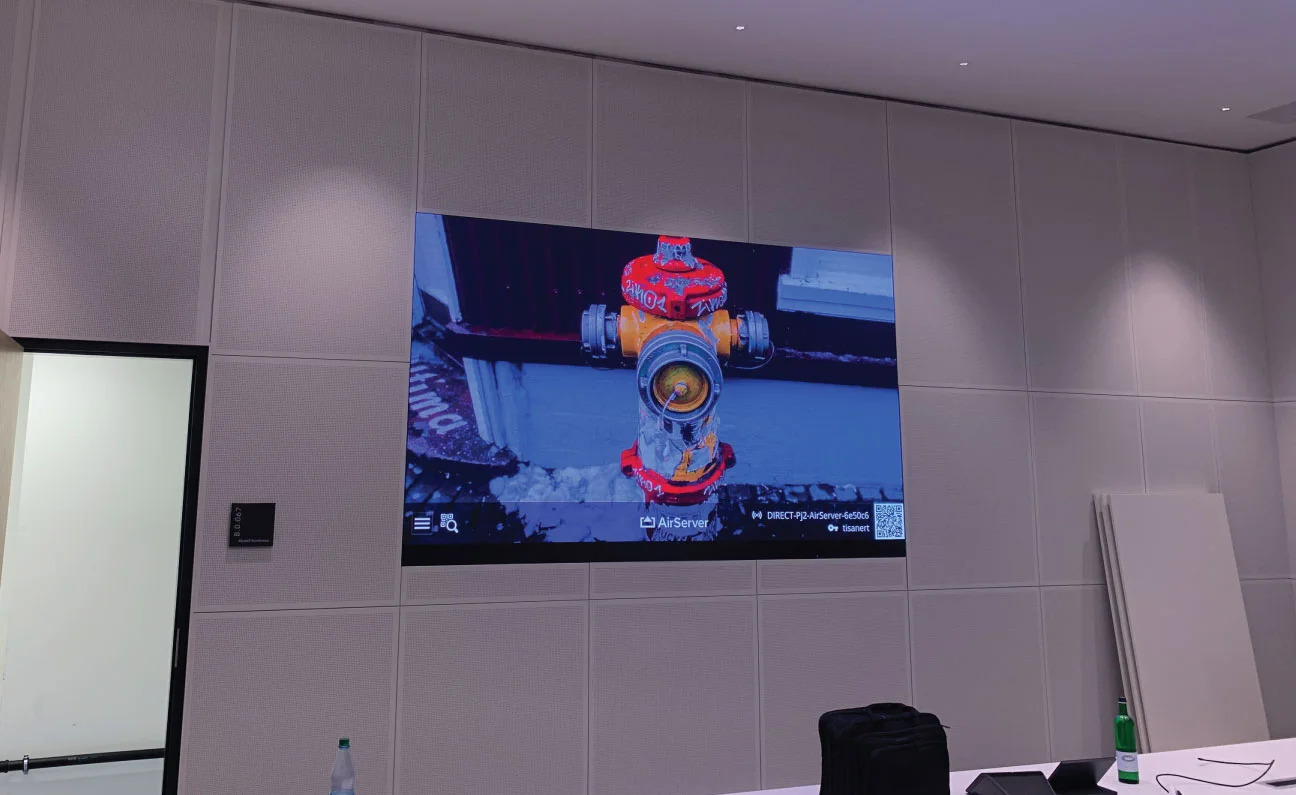
For meeting spaces, clarity is paramount. Participants need to read fine text on spreadsheets and view detailed architectural blueprints without straining their eyes. A fine-pitch Indoor LED Screen ensures crisp text rendering and seamless video conferencing experiences. Furthermore, replacing old projection systems with an LED wall eliminates shadows and projector glare, creating a sleek, professional aesthetic.
Lobbies and Reception Areas
In the lobby, an Indoor LED Screen acts as a dynamic digital concierge. It can welcome visitors, display company milestones, broadcast live news, or highlight brand values. Because lobby lighting can sometimes be intense due to large glass windows, selecting a display with adequate nits (brightness) is crucial to maintain visual impact throughout the day.
Elevating Events and Live Productions
Events thrive on energy, emotion, and spectacle. Whether it is a corporate product launch, a trade show booth, or an entertainment concert, an Indoor LED Screen is often the centerpiece of the entire production.
Trade Shows and Exhibitions
At busy exhibitions, you only have a few seconds to capture the attention of passing attendees. A vibrant, high-resolution Indoor LED Screen draws foot traffic directly to your booth. Lightweight, modular cabinets are particularly favored in this sector because they allow event organizers to quickly assemble, dismantle, and transport the screen from one venue to another.
Stage Backdrops and Auditoriums
For large auditoriums and stage productions, the screen must deliver consistent image quality from the front row to the very back of the room. Wide viewing angles are essential here so that audience members seated on the far sides do not miss out on the visual experience. Additionally, robust maintenance access—either front or rear service—ensures that technicians can quickly resolve any technical hiccups before or during a live show.
Captivating Consumers in Retail Spaces
The retail industry has undergone a massive digital transformation. Brick-and-mortar stores now leverage experiential technology to bridge the gap between online shopping and physical retail.
Window Displays and Storefronts
A striking Indoor LED Screen placed right behind a glass storefront can serve as an irresistible beacon for shoppers. It allows retailers to change promotional campaigns instantly without the cost and hassle of printing physical banners. Motion graphics and high-definition video loops displayed on the screen create a modern, high-end atmosphere that invites customers inside.
In-Store Merchandising and Fitting Rooms
Inside the store, strategically placed screens help guide consumer behavior. They can showcase styling tips, highlight seasonal collections, or provide interactive catalog browsing. By integrating an Indoor LED Screen into the retail journey, brands can significantly boost customer engagement, increase dwell time, and ultimately drive higher sales conversion rates.
Key Factors to Evaluate Before Purchasing
When you are ready to invest in an Indoor LED Screen, taking a structured approach to evaluation will protect your budget and ensure long-term satisfaction.
Assessing Physical Space and Installation Constraints
Always measure your installation site meticulously. Consider structural weight limits, wall integrity, and available depth for mounting. Some installations require wall-mounted configurations, while others need freestanding frames or curved designs to fit architectural pillars.
Energy Efficiency and Heat Dissipation
Modern indoor screens run for hours at a time, making power consumption a vital consideration. Look for energy-efficient models that incorporate advanced heat dissipation technologies. Efficient thermal management not only lowers your electricity bills but also extends the operational lifespan of the LED diodes.
Control Systems and Content Management
Hardware is only as good as the software driving it. Ensure your chosen Indoor LED Screen is compatible with robust content management systems (CMS). Whether you need to schedule automated playlists, manage multi-screen synchronizations, or feed live camera inputs, having an intuitive control interface will make daily operations seamless.
Warranty, Support, and Maintenance
An Indoor LED Screen is a significant capital investment. Partnering with a reputable manufacturer or supplier that offers comprehensive warranties, local technical support, and spare parts availability is non-negotiable. Knowing that expert help is readily available gives you peace of mind and safeguards your investment against unexpected technical issues.
Conclusion
Selecting the right Indoor LED Screen for offices, events, and retail spaces requires a careful balance of technical specifications, environmental considerations, and strategic goals. By understanding pixel pitch, prioritizing display quality, and tailoring your choice to your specific venue—whether it is a collaborative boardroom, a bustling trade show floor, or a chic retail boutique—you can create captivating visual experiences that leave a lasting impression. Embrace the power of modern display technology, evaluate your options wisely, and let your brand shine brighter than ever before.