Introduction
Conferences are more than gatherings of professionals, artists, educators, and creative thinkers. They are opportunities to exchange ideas, build meaningful relationships, and celebrate innovation. At the Kennedy Center, the REACH offers a distinctive environment where art, culture, education, and community engagement come together. Professional photography helps preserve these experiences, allowing organizers and attendees to revisit important moments long after an event concludes.
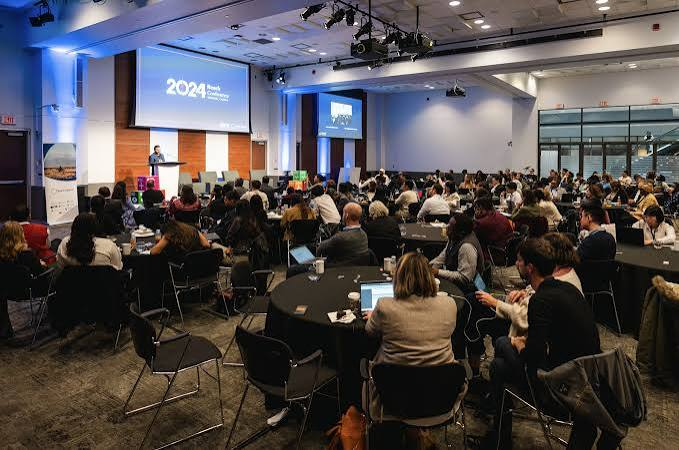
The Reach conference photography focuses on documenting the atmosphere, people, presentations, and interactions that make an event memorable. From keynote speakers and panel discussions to informal networking sessions and artistic performances, thoughtful photography tells the complete story of a conference. For organizations hosting events at the Kennedy Center REACH, high-quality images can also support marketing, public relations, social media, and future event promotion.
Understanding the Unique Environment of the Kennedy Center REACH
The REACH is the John F. Kennedy Center for the Performing Arts’ expanded campus, designed to encourage artistic exploration, collaboration, and public participation. Its contemporary architecture, flexible gathering spaces, and connection to the performing arts create an interesting setting for conferences, workshops, exhibitions, and professional events.
For a Kennedy Center REACH photographer, understanding the venue is an important part of preparation. Different spaces offer different photographic opportunities. Modern architectural features can provide striking backgrounds, while gathering areas allow photographers to capture conversations and genuine expressions.
The venue’s creative atmosphere also encourages photographers to look beyond traditional conference images. Instead of focusing exclusively on speakers standing behind a lectern, they can document the broader experience, including audience reactions, collaborative activities, and interactions between participants.
Why Professional Conference Photography Matters
Professional photography provides lasting value for conference organizers, sponsors, speakers, and attendees. A well-planned photographic collection captures the event accurately while creating useful visual material for future communications.
Preserving Important Conference Moments
Every conference includes moments that deserve to be remembered. A speaker may share an important insight, a panel may explore a challenging topic, or attendees may establish relationships that lead to future collaborations.
A skilled photographer anticipates these moments and captures them naturally. Rather than documenting only the official program, professional coverage includes the smaller interactions that contribute to the event’s character.
These images create a visual record that organizers can use in annual reports, event recaps, newsletters, and internal communications.
Supporting Marketing and Brand Recognition
Photography can help organizations communicate their values and professionalism. Clear images of engaged audiences, confident presenters, and well-organized sessions provide potential attendees with a better understanding of the conference experience.
Businesses and nonprofit organizations can use photographs on websites, promotional materials, professional networking platforms, and social media channels. Consistent, high-quality imagery also helps establish a recognizable visual identity across future events.
For events hosted at the Kennedy Center REACH, photographs can communicate the venue’s creative atmosphere while highlighting the specific purpose and achievements of the gathering.
What a Kennedy Center REACH Photographer Should Capture
Successful conference photography requires a balanced approach. The goal is to document the event comprehensively without disrupting speakers or distracting participants.
Keynote Speakers and Panel Discussions
Presentations are often the central feature of a conference. Photographers should capture speakers delivering important messages, panelists exchanging ideas, and audience members responding to the discussion.
A varied collection may include wide photographs showing the room, medium shots highlighting interactions, and closer images that communicate expression and engagement. These different perspectives give organizers more flexibility when selecting images for publications.
Photographers should also coordinate with event planners to identify important speakers, scheduled announcements, and moments that require special attention.
Networking and Audience Engagement
Networking is another essential part of many conferences. Conversations during breaks, introductions between attendees, and collaborative discussions often reveal the event’s social and professional value.
Candid photography can preserve these moments without making participants feel that every interaction is being staged. However, photographers should remain respectful and follow event policies concerning consent and privacy.
Images of genuine engagement can be particularly effective in event recaps because they demonstrate that the gathering encouraged participation rather than simply delivering presentations.
Architecture and Event Details
The Kennedy Center REACH provides opportunities to incorporate architectural photography into conference coverage. Building features, interior spaces, event signage, presentation materials, and carefully arranged meeting areas help establish a sense of place.
These photographs are useful for publications that need to explain where the conference took place and how the event was organized.
Detail shots can also add visual variety to an image gallery. For example, photographs of registration materials, stage arrangements, creative displays, or workshop resources can help tell a more complete story.
Preparing for Successful Conference Photography
Preparation is one of the most important factors in producing reliable event photography. Before the conference begins, photographers should discuss the schedule, expected attendance, essential speakers, and desired deliverables with the organizers.
A venue walkthrough, when permitted, can help identify useful viewpoints, lighting conditions, and movement routes. Photographers should also confirm venue-specific rules regarding equipment, restricted areas, flash photography, and access to participants.
Technical preparation matters as well. Professional cameras, suitable lenses, backup batteries, and sufficient memory cards help photographers respond to changing conditions. Since conferences may involve dim presentation rooms and bright public spaces, photographers must be ready to adapt their settings.
A clear shot list can prevent important moments from being overlooked. Nevertheless, photographers should remain flexible because conference schedules often change and unexpected moments may become the most valuable images of the day.
Lighting, Composition, and Storytelling
Conference venues can present challenging lighting conditions. Presentation screens, overhead lighting, windows, and stage illumination may create substantial differences in brightness. A knowledgeable photographer adjusts exposure and white balance to maintain natural-looking results.
Composition is equally important. Including contextual details helps viewers understand the setting, while carefully framed portraits bring attention to individual speakers. Wide shots establish the scale of an event, and close-ups communicate emotion and concentration.
The strongest conference galleries combine these approaches into a coherent visual narrative. Images should show the beginning of the event, the main presentations, audience participation, networking, and other defining activities.
Post-production can improve consistency by correcting exposure, adjusting color, cropping images, and removing minor distractions when appropriate. Editing should preserve the authenticity of the event rather than creating a misleading impression of what occurred.
Using Conference Photographs After the Event
The value of conference photography continues after attendees leave the venue. Organizers can transform selected images into a collection of marketing and communication assets.
A post-event gallery can help participants remember the experience and share highlights with colleagues. Social media photographs can extend the event’s visibility, while website galleries can provide useful context for people considering attending future conferences.
Organizations may also incorporate photographs into presentations, sponsorship proposals, annual summaries, and future promotional campaigns. When images are properly organized and labeled, teams can locate relevant photographs more easily for later projects.
It is helpful to establish expectations for image delivery before the event. Organizers should confirm the preferred file formats, editing requirements, usage permissions, and whether a small selection of early photographs is needed for time-sensitive announcements.
Choosing the Right Photographer for the REACH
Selecting a suitable photographer involves more than comparing prices. Organizers should review portfolios that demonstrate experience with conferences, presentations, candid interactions, and indoor event environments.
Clear communication is also essential. A professional should understand the event’s priorities, arrive prepared, respect venue requirements, and deliver images within the agreed timeframe.
It is worth discussing backup arrangements, image selection, editing standards, delivery methods, and licensing before confirming a booking. These details help prevent misunderstandings and ensure that the final photographs meet the organization’s needs.
Experience with artistic and cultural environments can be particularly valuable when an event includes performances, demonstrations, exhibitions, or creative workshops alongside traditional presentations.
Conclusion
The Reach conference photography plays an important role in preserving the energy, ideas, and connections that define professional gatherings at the Kennedy Center REACH. Through careful planning, thoughtful composition, and an understanding of the event’s purpose, photographers can create images that document both the official program and the authentic experiences surrounding it.
A skilled Kennedy Center Reach photographer captures more than speakers and stages. They tell the story of an event through its people, architecture, conversations, and defining moments. These photographs become valuable resources for event organizers, participating organizations, and attendees, supporting future communications while preserving memories of a distinctive conference experience.