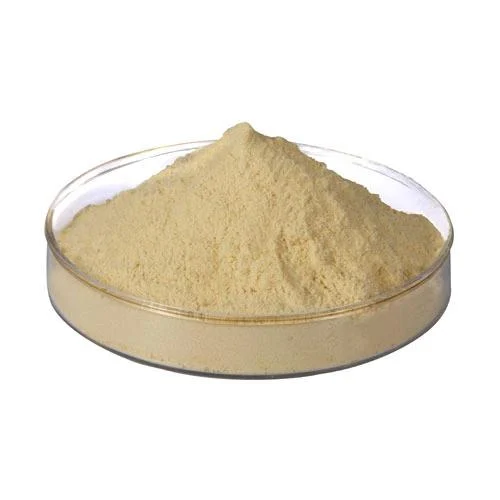
Phosphatidylserine is a naturally occurring phospholipid that plays an important role in the structure and function of cell membranes. It is especially concentrated in the brain, where phospholipids contribute to normal cellular communication and membrane integrity. As interest in cognitive wellness, healthy aging, and nutritional supplements continues to grow, phosphatidylserine powder has become an ingredient of interest for supplement manufacturers, formulators, and consumers. However, not all products are created with the same standards. Choosing a high-quality ingredient requires attention to its source, purity, composition, testing, processing, and storage.
Understand What Phosphatidylserine Is
Phosphatidylserine is a phospholipid consisting of a glycerol backbone, fatty acids, phosphate, and serine. It occurs naturally in foods and in human tissues. Historically, phosphatidylserine ingredients were sometimes derived from animal sources, but modern commercial ingredients are commonly produced from plant-based sources such as soy or sunflower.
When evaluating phosphatidylserine powder, it is important to understand that the term describes an ingredient rather than a guarantee of a particular quality level. Two powders may use the same general name while differing considerably in concentration, source, manufacturing process, and purity.
A quality-focused buyer should therefore look beyond the product name and examine the technical specifications provided by the manufacturer.
Check the Source of the Ingredient
The source is one of the first factors to consider. Plant-derived phosphatidylserine is widely used in modern formulations, particularly when manufacturers want a vegetarian-friendly or allergen-conscious ingredient.
Soy-derived phosphatidylserine has a long history of commercial use, while sunflower-derived alternatives may appeal to manufacturers seeking soy-free formulations. The choice depends on the intended product, target consumers, regulatory requirements, and formulation goals.
Ask the supplier to clearly identify the botanical or raw-material source. If the supplier provides only vague information such as “natural phospholipid,” it may be difficult to evaluate the ingredient properly.
Examine Purity and Active Content
Purity is a critical consideration when purchasing phosphatidylserine powder. A reliable supplier should provide a specification sheet showing the expected concentration of phosphatidylserine and relevant quality parameters.
Do not assume that a powder with a higher advertised percentage is automatically better for every application. Instead, compare products using consistent analytical methods. The testing method used to determine phosphatidylserine content can influence reported results, so understanding the analytical methodology is valuable.
A Certificate of Analysis, or CoA, should ideally be available for each production batch. This document can provide information about identity, active content, moisture, microbiological quality, heavy metals, and other relevant specifications.
Look for Third-Party or Independent Testing
Independent testing can provide another layer of confidence. A manufacturer may conduct extensive internal quality control, but independent laboratory verification can help confirm important characteristics of the material.
When reviewing a supplier, ask whether its phosphatidylserine powder is tested by an accredited or qualified laboratory. Depending on the intended use, relevant tests may include identity testing, assay, microbiological analysis, heavy-metal screening, residual-solvent testing, and contaminant analysis.
The exact testing requirements should depend on the product’s application and applicable regulations. For dietary supplements, manufacturers should establish appropriate specifications and quality controls rather than relying solely on marketing claims.
Evaluate Manufacturing Standards
Manufacturing conditions can significantly influence ingredient quality. Look for suppliers that operate under recognized quality-management and good manufacturing practices.
A professional supplier should be able to explain how raw materials are received, identified, processed, tested, packaged, and stored. Traceability is particularly important. If a quality issue occurs, the manufacturer should be able to trace a finished batch back to its raw materials and production records.
Certifications can be useful, but they should be viewed as part of a broader quality assessment. Ask what certification applies, which facility it covers, and whether the certification is current.
Consider Solubility and Physical Characteristics
For formulators, physical characteristics can be just as important as chemical specifications. Phosphatidylserine powder may need to perform consistently during blending, encapsulation, tablet manufacturing, beverage formulation, or other production processes.
Important characteristics may include particle size, flowability, dispersibility, moisture content, color, odor, and stability. A powder that meets an assay specification but performs poorly during manufacturing may create practical challenges.
Request a technical data sheet and, when possible, obtain a sample before committing to a large purchase. Small-scale testing can reveal whether the powder behaves appropriately within the intended formulation.
Pay Attention to Packaging and Storage
Phospholipid ingredients can be sensitive to environmental conditions, so packaging and storage practices deserve attention. Exposure to oxygen, heat, moisture, and light may affect ingredient stability depending on the specific formulation and packaging system.
High-quality suppliers should provide recommended storage conditions and packaging information. Packaging should protect the powder during transportation and storage while reducing exposure to environmental factors.
Always follow the supplier’s stated storage instructions. Once opened, the material should generally be handled according to the manufacturer’s recommendations, particularly in environments with significant humidity or temperature fluctuations.
Review the Supplier’s Documentation
Good documentation is often one of the clearest indicators of a professional ingredient supplier. Before purchasing phosphatidylserine powder, request relevant documents such as a Certificate of Analysis, technical specification sheet, safety documentation, allergen statement, and country-of-origin information where applicable.
For commercial supplement production, additional documents may be necessary depending on the market and regulatory framework. These could include non-GMO statements, vegetarian or vegan declarations, and other compliance documentation.
A supplier that responds clearly and consistently to technical questions is usually easier to work with throughout the product-development process.
Compare Suppliers Beyond Price
Price should not be the only factor when choosing phosphatidylserine powder. A very inexpensive ingredient may have limitations in purity, documentation, consistency, testing, packaging, or technical support.
Instead of comparing only the cost per kilogram, consider the total value of the ingredient. Reliable batch consistency, comprehensive testing, responsive customer service, suitable packaging, and strong documentation can reduce formulation and quality-control problems later.
It is also useful to compare minimum order quantities, lead times, shelf life, sample availability, and production capacity. These factors become increasingly important when moving from product development to commercial manufacturing.
Avoid Unclear or Exaggerated Claims
Consumers and manufacturers should be cautious about suppliers that make dramatic health claims without credible evidence. Phosphatidylserine is a nutritional ingredient, but marketing language should not replace scientific evaluation or regulatory compliance.
A trustworthy supplier generally focuses on measurable characteristics such as identity, purity, testing, source, manufacturing standards, and specifications. Clear technical information is more useful than unsupported promises.
Make a Practical Quality Checklist
Before selecting phosphatidylserine powder, create a simple checklist. Confirm the source, phosphatidylserine concentration, analytical method, batch testing, microbiological specifications, contaminant testing, manufacturing standards, storage requirements, shelf life, packaging, and documentation.
For manufacturers, it is also wise to establish written ingredient specifications before approving a supplier. This makes it easier to compare batches and maintain consistent finished-product quality.
Consumers purchasing finished supplements should similarly look for reputable manufacturers, transparent labeling, appropriate quality controls, and products that fit their individual needs. Anyone considering supplementation for a medical condition or while taking medication should discuss the choice with a qualified healthcare professional.
Conclusion
Choosing high-quality phosphatidylserine powder requires more than comparing labels or prices. Source, purity, analytical testing, manufacturing practices, documentation, physical characteristics, packaging, and supplier reliability all contribute to ingredient quality.
Whether the ingredient is being purchased for research, formulation, or nutritional products, a systematic evaluation can help reduce uncertainty and improve consistency. The best approach is to select a supplier that provides transparent specifications, dependable batch testing, appropriate manufacturing controls, and clear technical support. By focusing on evidence and measurable quality rather than marketing claims alone, buyers can make a more informed decision when selecting phosphatidylserine powder.