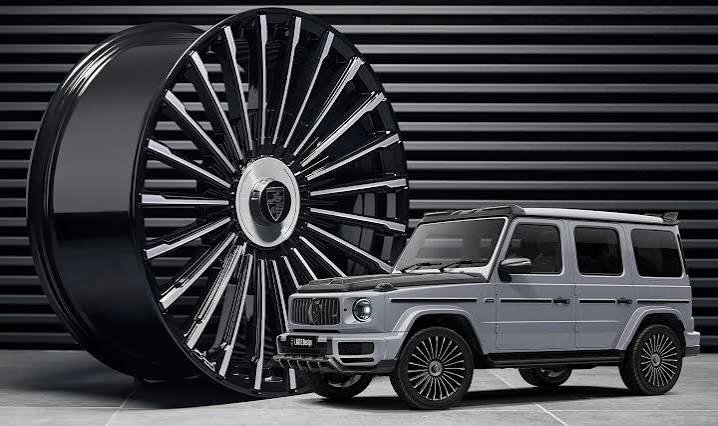
When most people think about upgrading their vehicle, they usually consider performance modifications, interior improvements, or cosmetic changes. Wheels are often one of the first upgrades that can completely custom forged wheels transform the appearance and driving experience of a car. Among the many wheel options available today, custom forged wheels have become increasingly popular among car enthusiasts who want better performance, durability, and a unique appearance.
But are forged wheels really worth the investment for everyday cars? While they are often associated with luxury vehicles, sports cars, and professional racing, modern drivers are discovering that forged wheels can provide meaningful benefits even for regular daily-use vehicles. Understanding their advantages, costs, and practical value can help you decide if they are the right choice for your car.
What Are Custom Forged Wheels?
Custom forged wheels are high-performance wheels created through a specialized manufacturing process that involves shaping a solid piece of aluminum alloy under extreme pressure and heat. Unlike traditional cast wheels, which are made by pouring melted aluminum into molds, forged wheels are compressed and strengthened during production.
This process creates a wheel structure with improved strength, reduced weight, and better durability. Since they are made to order, custom forged wheels can be designed according to specific vehicle requirements, including size, offset, bolt pattern, finish, and style preferences.
For drivers who want a personalized look while maintaining excellent performance, forged wheels offer a combination of engineering and customization that standard wheels cannot always provide.
How Are Forged Wheels Different From Cast Wheels?
The biggest difference between forged and cast wheels is the manufacturing method. Cast wheels are produced by pouring liquid metal into a mold and allowing it to cool. This method is affordable and suitable for mass production, but the metal structure may contain small imperfections that affect strength.
Forged wheels start from a solid aluminum block that is shaped under high pressure. The process aligns the grain structure of the metal, making the wheel stronger and more resistant to stress.
The main differences include:
- Forged wheels are usually lighter than cast wheels.
- They provide higher strength and durability.
- They offer more customization options.
- They handle performance driving conditions better.
- They generally have a higher price due to the advanced manufacturing process.
For everyday cars, these differences can improve handling, comfort, and long-term reliability.
Benefits of Custom Forged Wheels for Daily Driving
Many people assume forged wheels are only useful for racing or high-performance vehicles, but everyday drivers can also experience several advantages.
Improved Vehicle Performance
One of the biggest benefits of lightweight forged wheels is reduced unsprung weight. Unsprung weight refers to components that are not supported by the vehicle’s suspension, including wheels and tires.
Reducing this weight allows the suspension system to respond more effectively to road conditions. Drivers may notice improved steering response, smoother handling, and better overall driving control.
A lighter wheel can also help improve acceleration because the engine does not need to work as hard to move heavier rotating parts.
Better Fuel Efficiency
Although wheels alone will not dramatically change fuel consumption, reducing unnecessary weight can contribute to improved efficiency. Lightweight custom forged wheels require less energy to rotate, which may provide small fuel savings over time.
For drivers who spend many hours commuting or traveling daily, even minor efficiency improvements can become valuable over the life of the vehicle.
Increased Durability
Everyday vehicles face many challenges, including potholes, rough roads, and changing weather conditions. Forged wheels are designed to handle higher levels of stress compared to many standard wheels.
Their stronger construction reduces the risk of cracking or bending under demanding conditions. This makes them a reliable choice for drivers who want long-lasting upgrades.
Enhanced Appearance
A major reason people choose custom wheels is style. Factory wheels often come with limited designs that may not match the owner’s personality or vehicle theme.
With custom forged wheels, drivers can choose from different finishes, colors, designs, and sizes to create a unique appearance. Whether you prefer a sporty, aggressive, or luxury look, forged wheels can help personalize your car.
Are Custom Forged Wheels Too Expensive?
The biggest concern for many car owners is cost. Forged wheels are significantly more expensive than regular cast wheels because they require advanced manufacturing techniques and more detailed customization.
However, the higher price reflects their quality, performance, and durability. For someone planning to keep their vehicle for many years, forged wheels can be considered a long-term investment rather than just an appearance upgrade.
The value depends on your priorities. If you only want a visual improvement and do not care about performance benefits, affordable alloy wheels may be enough. But if you want premium quality, improved handling, and a personalized design, forged wheels can justify the additional cost.
Do Everyday Cars Really Need Forged Wheels?
The answer depends on how you use your vehicle. A regular commuter car does not necessarily require forged wheels, but that does not mean they are a bad choice.
Drivers who enjoy better handling, customized styling, and premium upgrades can benefit from them. They are especially valuable for owners who have modified their engines, participate in driving events, or simply want the best components for their vehicles.
For a standard daily driver used mainly for short trips, the investment may be more about personal preference and enjoyment rather than necessity.
Choosing the Right Custom Forged Wheels
Before purchasing forged wheels, it is important to consider several factors:
Vehicle Compatibility
The wheels must have the correct specifications, including diameter, width, bolt pattern, and offset. Incorrect sizing can affect handling, tire performance, and safety.
Wheel Design
Choose a design that matches your vehicle’s style. Since forged wheels are highly customizable, you can select finishes and patterns that create a distinctive appearance.
Quality Manufacturer
Not all forged wheels are made with the same standards. Choosing a trusted manufacturer ensures better materials, proper engineering, and reliable performance.
Professional Installation
Even high-quality wheels need proper installation. Professional fitting ensures correct alignment, torque settings, and tire mounting.
Final Thoughts: Are Custom Forged Wheels Worth It?
For everyday cars, custom forged wheels are not a necessity, but they can be a worthwhile upgrade for drivers who value performance, durability, and personalization. Their lightweight construction, strength, and unique designs make them one of the most advanced wheel options available.
If you are looking for a simple and affordable appearance change, standard alloy wheels may be a better choice. However, if you want a premium upgrade that improves your driving experience while giving your car a custom identity, forged wheels can be an excellent investment.
Ultimately, the decision comes down to your goals, budget, and passion for your vehicle. For many car owners, the combination of style and performance makes custom forged wheels worth considering.