Introduction
Technology continues to transform the way people communicate, work, exercise, and manage their daily routines. Among the most exciting developments is the combination of wearable technology and artificial intelligence (AI). From smartwatches and fitness trackers to intelligent rings and health-monitoring devices, wearable technology is becoming an important part of modern life. These devices are designed to collect information, analyze user activity, and provide personalized insights that help people make informed decisions.
Artificial intelligence makes wearable devices more useful by enabling them to interpret data, recognize patterns, and deliver recommendations based on individual needs. Instead of simply recording steps or displaying notifications, modern wearables can help users understand their activity levels, monitor sleep patterns, and develop healthier habits.
As this technology advances, products such as a budget smart ring with heart rate tracking are attracting attention from consumers who want convenient features without investing in expensive devices. Options such as the colmi r09 uk also reflect the growing interest in compact wearable technology that combines everyday comfort with practical monitoring features.
The future of wearable technology will depend on how effectively manufacturers combine intelligent software, reliable sensors, comfortable designs, and responsible data protection. Understanding this relationship helps explain why AI-powered wearables are becoming increasingly relevant in today’s digital world.
Understanding Wearable Technology
Wearable technology refers to electronic devices designed to be worn on the body. These products often contain sensors, wireless connectivity, and software that collect and display information about a person’s activities or surroundings.
Smartwatches, fitness bands, smart glasses, and smart rings are among the most recognizable examples. Each device serves different purposes, allowing users to select technology that suits their lifestyles.
The Evolution of Wearable Devices
Early wearable devices generally focused on simple functions, such as counting steps, measuring exercise duration, or displaying the time. As sensors became smaller and wireless connectivity improved, manufacturers introduced products capable of tracking a wider range of activities.
Modern wearables can record heart rate, estimate sleep duration, monitor movement, and synchronize information with smartphone applications. Some products also support notifications, voice assistants, and other connected services.
The addition of artificial intelligence represents another major step forward. Wearable devices can now use intelligent algorithms to interpret collected information and identify patterns that might be difficult to recognize through individual measurements alone.
Why Consumers Prefer Compact Wearables
Comfort and convenience are important factors when choosing a wearable device. Large screens and bulky designs may not suit every user, particularly those who prefer technology that remains unobtrusive throughout the day.
Smart rings offer an alternative by placing electronic components inside a compact ring-shaped design. They can be worn during ordinary activities without requiring the user to interact with a screen frequently.
Their small size makes them appealing to people who prefer minimal accessories. However, consumers should compare battery life, sensor capabilities, application compatibility, and comfort before selecting a particular model.
How Artificial Intelligence Enhances Wearable Technology
Artificial intelligence enables wearable devices to move beyond basic data collection. By analyzing information gathered over time, AI-powered systems can identify patterns and present results in a more understandable format.
Intelligent Data Analysis
Wearable devices may collect hundreds or thousands of measurements throughout a day. Looking at each measurement separately can make it difficult for users to understand what the information means.
AI can help organize these measurements into useful summaries. For example, a fitness tracker might compare daily activity levels across several weeks and identify changes in movement patterns.
A sleep-monitoring device may combine movement data with other available sensor readings to estimate sleep stages. The resulting information can help users recognize general trends and consider changes to their routines.
These estimates are not always perfectly accurate. Their reliability depends on the sensors, software, device design, and conditions in which the measurements are collected.
Personalized Recommendations
One of the main advantages of AI is its ability to adapt insights to individual users. Rather than presenting identical recommendations to everyone, intelligent systems can consider previous activity, personal goals, and patterns recorded over time.
A fitness application might suggest taking a short walk after several hours of inactivity. Another system could recommend maintaining a consistent bedtime after identifying irregular sleep schedules.
Such recommendations should be treated as general guidance rather than professional medical advice. Their purpose is to make personal information easier to understand and encourage practical decisions.
Predictive Insights and Pattern Recognition
AI can also identify changes in collected data. For example, a wearable may highlight an unusual variation in resting heart rate compared with a person’s recent measurements.
This information may encourage the user to consider factors such as exercise, stress, sleep, or illness. However, an unusual reading does not automatically indicate a medical problem.
Wearable technology should support awareness rather than replace qualified healthcare professionals. Medical concerns should be evaluated through appropriate clinical assessment.
Smart Rings: A New Direction in Wearable Technology
Smart rings demonstrate how wearable technology can become smaller while continuing to offer useful features. Unlike traditional smartwatches, these devices typically focus on sensor-based tracking rather than large displays or extensive on-device interaction.
What Makes Smart Rings Different?
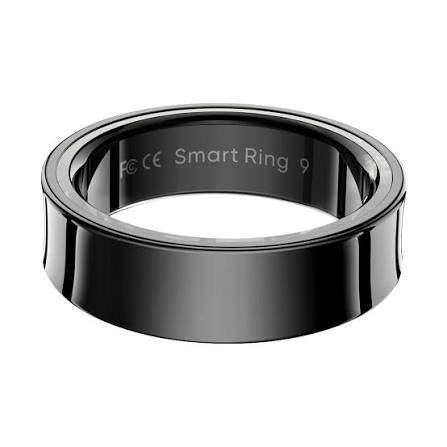
A smart ring is designed to fit around a finger and collect information through miniature electronic components. Depending on the model, it may include sensors for heart rate monitoring, movement tracking, sleep estimates, and other wellness-related measurements.
Most smart rings rely on a companion smartphone application to present recorded information. This arrangement allows the ring to remain compact while the phone handles more detailed displays and data analysis.
Some rings include additional features, but capabilities differ considerably between manufacturers and models. Buyers should check the official specifications instead of assuming every smart ring offers the same functions.
Exploring Affordable Smart Ring Options
Price is an important consideration for people entering the wearable technology market. Premium products may include extensive software features, but not everyone needs every available function.
A budget smart ring with heart rate tracking can appeal to users who want a simpler way to observe general activity and wellness trends. Affordable options may provide essential features without the larger screens, advanced connectivity, or subscription services associated with some competing devices.
Before purchasing, consumers should investigate sensor performance, battery expectations, water-resistance ratings, charging arrangements, and application requirements. They should also determine whether important features are included in the initial price or require additional payments.
Understanding the COLMI R09 in the UK Market
The colmi r09 uk search term reflects consumer interest in finding an accessible smart ring within the United Kingdom. Buyers researching this type of device should review current retailer listings, delivery arrangements, return policies, and warranty conditions.
The COLMI R09 is part of the growing category of compact smart rings intended for everyday wearable use. Potential buyers should verify the exact capabilities of the version being sold, including its heart rate tracking support, compatible smartphone systems, battery specifications, and available application features.
Product specifications and retailer offers can change, so current listing information is more useful than relying on assumptions based on other smart rings.
Consumers should also check the available ring sizes carefully. A comfortable fit is important because sensor contact can affect measurement quality. A ring that is too loose or uncomfortable may be less suitable for consistent everyday use.
The Role of AI in Heart Rate Tracking
Heart rate monitoring is one of the most widely recognized functions in wearable technology. It provides information about how the body responds to movement, rest, and everyday activities.
How Wearable Heart Rate Sensors Work
Many wearable devices use optical sensors that shine light onto the skin and measure changes in the light reflected back. These changes can help estimate the movement of blood beneath the skin, allowing the device to calculate a heart rate reading.
AI and related signal-processing techniques may help software interpret these measurements, distinguish useful signals from noise, and identify patterns over time.
However, accuracy varies according to device design, sensor placement, movement, skin contact, and other conditions. Readings collected during vigorous exercise may be less reliable than measurements taken while resting.
Why Heart Rate Trends Matter
Observing heart rate trends can help people understand how their bodies respond to daily routines. For example, users may compare resting measurements across different days or review changes associated with exercise.
When combined with activity and sleep information, these measurements can provide a broader picture of everyday wellness.
Nevertheless, a consumer wearable is not a substitute for medical equipment. Anyone experiencing concerning symptoms should seek appropriate medical advice rather than relying exclusively on a ring or smartwatch.
Everyday Benefits of AI-Powered Wearables
The combination of AI and wearable sensors offers several practical advantages that extend beyond fitness tracking.
Supporting Healthier Habits
Wearables can encourage users to become more aware of their daily routines. Activity summaries, movement reminders, and sleep reports may help people establish realistic goals.
For example, someone who spends most of the day sitting can use reminders to take regular movement breaks. A person working toward a more consistent sleep schedule may review bedtime patterns and make adjustments to evening activities.
Small, manageable changes can be easier to maintain than ambitious plans that require major lifestyle changes.
Improving Fitness Awareness
Fitness enthusiasts can use wearable devices to track activity duration, movement patterns, and heart rate trends. AI-supported analysis may help organize this information into summaries that make progress easier to review.
A runner might compare measurements from different training sessions, while someone new to exercise may use daily activity reports to establish a regular routine.
These tools work best when users consider their individual circumstances and avoid treating every automated recommendation as a requirement.
Making Technology More Convenient
Traditional devices often require users to open applications and interpret several separate measurements. Intelligent software can simplify this process by organizing information into summaries and notifications.
Smart rings offer an additional convenience because they generally do not require users to interact with a display throughout the day. Users can check their information through a connected smartphone when necessary.
This combination of discreet hardware and accessible software makes wearables attractive to people who prefer technology that fits naturally into existing routines.
Challenges and Limitations of Intelligent Wearables
Despite their benefits, AI-powered wearables face important technical and practical challenges. Understanding these limitations helps consumers make better purchasing decisions.
Data Privacy and Security
Wearable devices may collect personal information about movement, sleep, heart rate, and daily routines. Such information can be sensitive, particularly when it is stored in cloud services or shared across applications.
Manufacturers should explain what information they collect, how it is stored, and whether it is shared with third parties.
Consumers can reduce unnecessary exposure by reviewing application permissions, using strong account passwords, installing software updates, and checking privacy settings.
Before purchasing a smart ring, it is worth reviewing the manufacturer’s privacy policy and understanding how long recorded information is retained.
Battery Life and Charging
Compact wearable devices have limited physical space for batteries. Their operating time depends on battery capacity, sensor activity, software efficiency, and how frequently measurements are collected.
Frequent charging can interrupt continuous monitoring, while reduced battery capacity over time may affect convenience.
Consumers should compare realistic battery expectations and charging requirements rather than relying only on promotional claims.
Accuracy and Reliability
AI cannot completely eliminate the limitations of physical sensors. Movement, environmental conditions, poor fit, and hardware differences can all influence readings.
Algorithms may also interpret the same measurements differently. Consequently, estimates from two devices may not always match.
Consumers should view wearable measurements as useful approximations unless a device has been validated for a specific purpose. Medical decisions should not depend solely on consumer wearable data.
Compatibility and Software Support
A smart ring’s usefulness often depends on its companion application. If the software does not work with a user’s smartphone, the device may lose important functions.
Buyers should confirm operating system compatibility, application availability, supported languages, and any account requirements before ordering.
Long-term software support is also important. A well-designed device becomes less useful if its application is discontinued or important features stop working.
How to Choose the Right AI-Powered Wearable
Selecting a wearable device requires balancing price, functionality, comfort, and reliability. The most expensive option is not necessarily the best choice for every person.
Identify Your Main Requirements
Start by deciding what you want the device to accomplish. Someone interested primarily in heart rate trends may prefer a simple smart ring, while a person who wants navigation, messages, and an interactive screen may benefit more from a smartwatch.
Clear priorities make it easier to compare products without paying for unnecessary features.
Compare Essential Specifications
Review the following factors before making a decision:
- Sensor capabilities: Confirm which measurements the device actually supports.
- Comfort and sizing: Choose a design suitable for extended everyday wear.
- Battery performance: Compare expected operating time and charging requirements.
- Compatibility: Check smartphone and application support.
- Data protection: Review privacy policies and security features.
- Warranty and returns: Understand the seller’s conditions and available customer support.
- Total cost: Consider the purchase price, optional subscriptions, shipping, and possible import charges.
For shoppers considering a budget smart ring with heart rate tracking, these details can be more valuable than a long list of promotional features.
Read Reviews Critically
Customer reviews can reveal practical details about comfort, setup, battery performance, and application usability. However, individual experiences do not guarantee that every buyer will receive the same results.
Look for detailed reviews that explain how the product was tested and whether its performance remained consistent over time. Independent comparisons can also help identify differences between advertised specifications and everyday use.
For UK purchases, checking the seller’s location, delivery estimates, and return arrangements can help prevent unexpected complications.
The Future of Wearable Technology and Artificial Intelligence
Wearable technology is likely to become more integrated with digital services as sensors, batteries, and AI systems improve. Future devices may provide more contextual insights while requiring less direct interaction from users.
More Personalized Digital Experiences
AI systems may become better at identifying individual patterns and presenting information that reflects changing routines. Instead of simply reporting activity totals, devices could provide more useful explanations of how movement, rest, and daily schedules relate to one another.
The quality of these insights will depend on reliable data, transparent algorithms, and appropriate safeguards.
Smaller Devices and Better Integration
Advances in miniaturized electronics may support more compact wearable designs. Smart rings, lightweight wristbands, and other discreet devices could become more convenient for everyday use.
Better integration with smartphones and other connected products may also make it easier to access information across different platforms.
Responsible Development
As wearable technology becomes more sophisticated, manufacturers will need to prioritize privacy, accessibility, accuracy, and user control.
Clear explanations of automated recommendations will be particularly important. Consumers should understand what a device measures, what it estimates, and where its capabilities end.
Responsible development will help build trust and ensure that technological progress provides practical value rather than unnecessary complexity.
Conclusion
Wearable technology and artificial intelligence are creating new opportunities for people to understand their routines, monitor everyday activity, and interact with digital services more conveniently. Smartwatches, fitness trackers, and smart rings demonstrate how increasingly compact devices can combine sensors with intelligent software.
Affordable products are helping make this category accessible to a wider audience. Consumers researching a budget smart ring with heart rate tracking or exploring the colmi r09 uk market should compare specifications, comfort, compatibility, privacy protections, and current retailer terms before making a purchase.
Although AI can make wearable data easier to interpret, it cannot guarantee perfect accuracy or replace professional medical assessment. The most useful devices are those that provide understandable information, protect personal data, and fit comfortably into daily life.
As sensors and intelligent software continue to develop, wearable technology may become an even more natural part of modern living. Its long-term value will depend not simply on adding more features, but on delivering reliable, affordable, and responsible tools that genuinely help people make informed decisions.